Dance Floor Etiquette: How to Navigate Social Dancing
Understanding the unwritten rules makes the social dance floor welcoming for everyone. Learn about invitations, line-of-dance, and creating a respectful community space.
What Makes a Dance Floor Feel Safe?
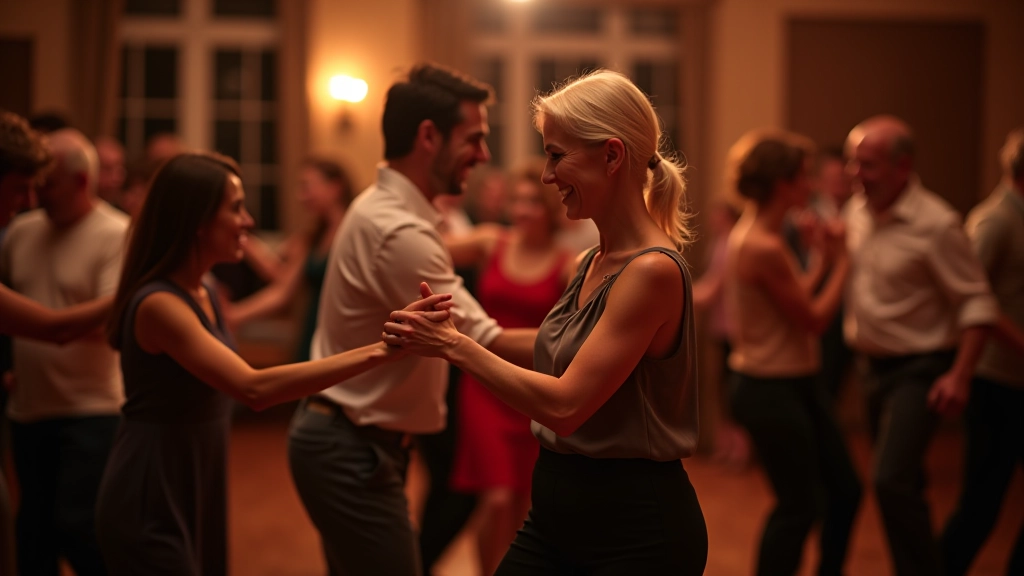
Walk into any bachata or salsa social, and you'll notice something special. People are dancing, laughing, and genuinely enjoying themselves. That comfortable atmosphere doesn't happen by accident — it's built on respect and understanding.
You don't need to be perfect. You don't even need to be good. But knowing how to move through the dance floor with awareness? That changes everything. It's the difference between feeling nervous and feeling welcomed.
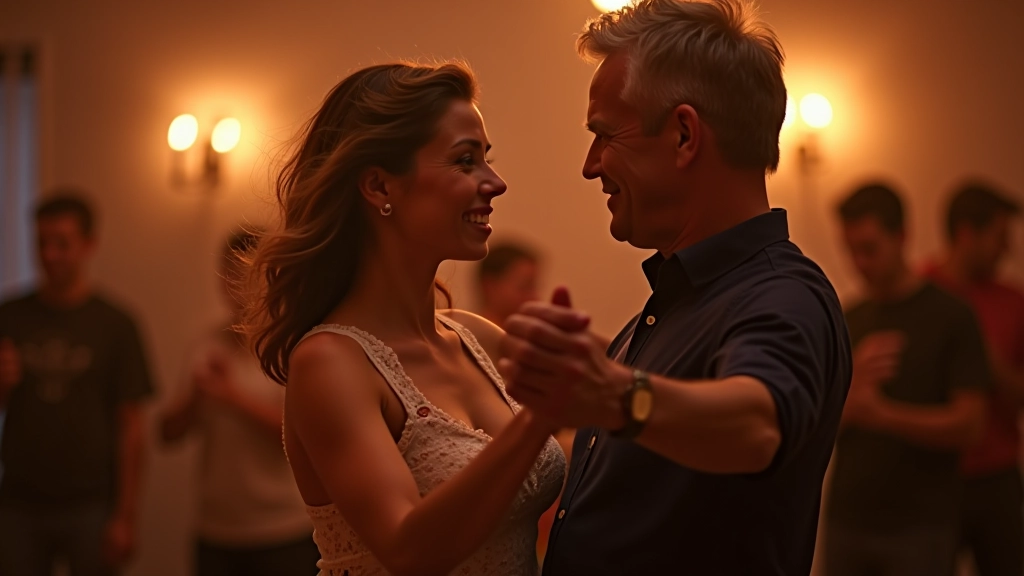

The Art of Asking and Accepting
Here's the truth: most people want to dance. They're just waiting to be asked. But how you ask matters.
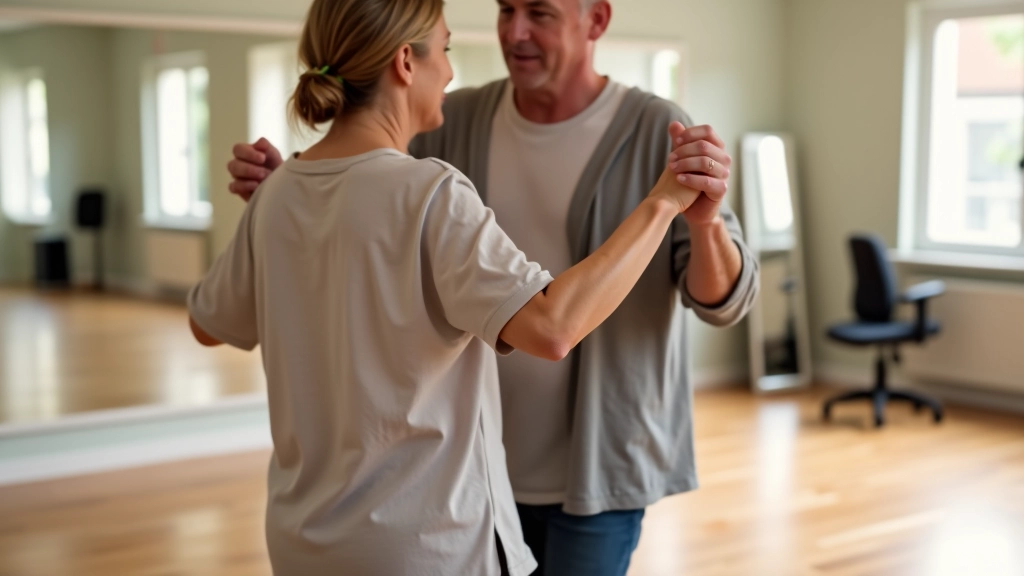
A genuine invitation is simple. Make eye contact. Smile. Extend your hand or approach with confidence. You don't need fancy words — "Would you like to dance?" works perfectly. The person will either accept with a smile or politely decline. That's it. There's no shame in either response.
Pro tip: If someone says no, say thank you and move on. Don't take it personally. They might be tired, taking a break, or just not feeling it that song. Respect that choice every single time.
As for accepting? It's an honor. You're saying yes to connection, to trying something new, to being part of the community. If you're nervous, that's normal. Most experienced dancers remember their first dances. They're patient. They'll lead you through it.
Understanding Line of Dance
This is probably the most important rule most beginners don't know about. Line of dance — or LOD — is the imaginary flow of dancers moving around the floor. Think of it like traffic on a road. Everyone moves in the same direction.
For salsa and bachata, the flow typically goes counterclockwise around the room. Couples on the outside move forward. Couples in the middle can turn and spin freely. It's actually quite simple once you understand it.
- Stay aware of other dancers around you
- Move progressively around the floor, not just in one spot
- If you're spinning or doing intricate footwork, step toward the middle
- Avoid backing into other couples
Most venues will have more experienced dancers naturally creating this flow. Just follow their lead at first. You'll pick it up quickly.
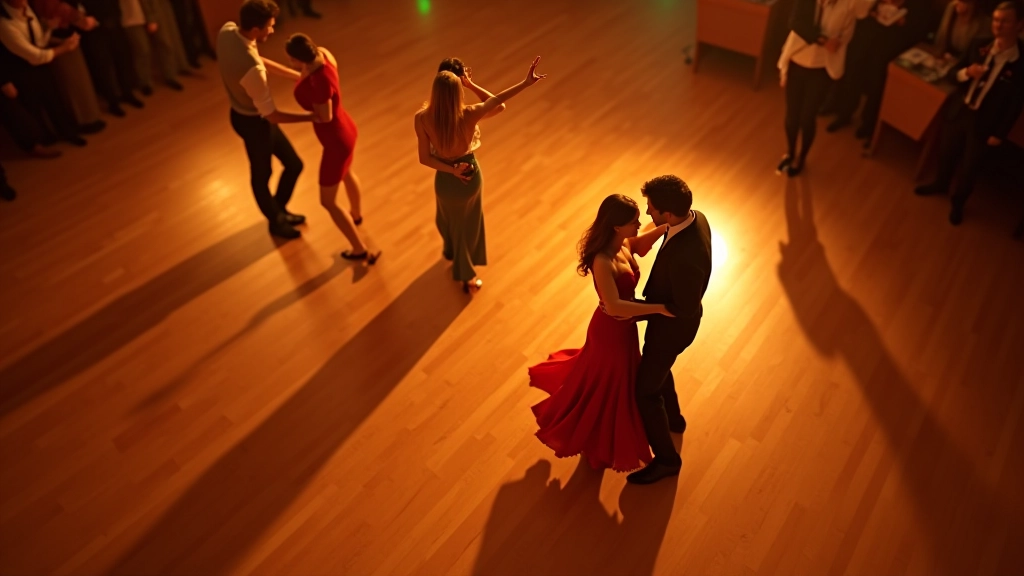

Creating a Respectful Space
Respect on the dance floor goes beyond the technical stuff. It's about being aware that you're sharing space with other people who are trying to enjoy themselves.
Don't talk during the dance. Your partner wants to feel the music and connect. Save the conversation for between songs. Don't dance too close to other couples — give people room to move. And here's something people don't always think about: watch where your arms go. Flailing elbows can catch someone nearby.
Keep it Clean
No aggressive moves or showing off. Save the tricks for practice sessions.
Read Your Partner
If they seem uncomfortable with a move, adjust. Dancing should feel good for both people.
It's not about being rigid or stiff. It's about being thoughtful. Most people at our weekend workshops tell us this atmosphere — the kindness and patience — is why they keep coming back.
You're Part of Something Bigger
Here's what we've noticed after years of running these workshops: the best dance communities are built by people who show up, respect each other, and genuinely want everyone to have fun. That includes you.
When you dance with someone, you're not just moving to music. You're saying "I trust you" and "Let's create something together for three minutes." That's meaningful. When you decline a dance politely, you're also showing respect. When you smile at a nervous beginner, you're building the culture.
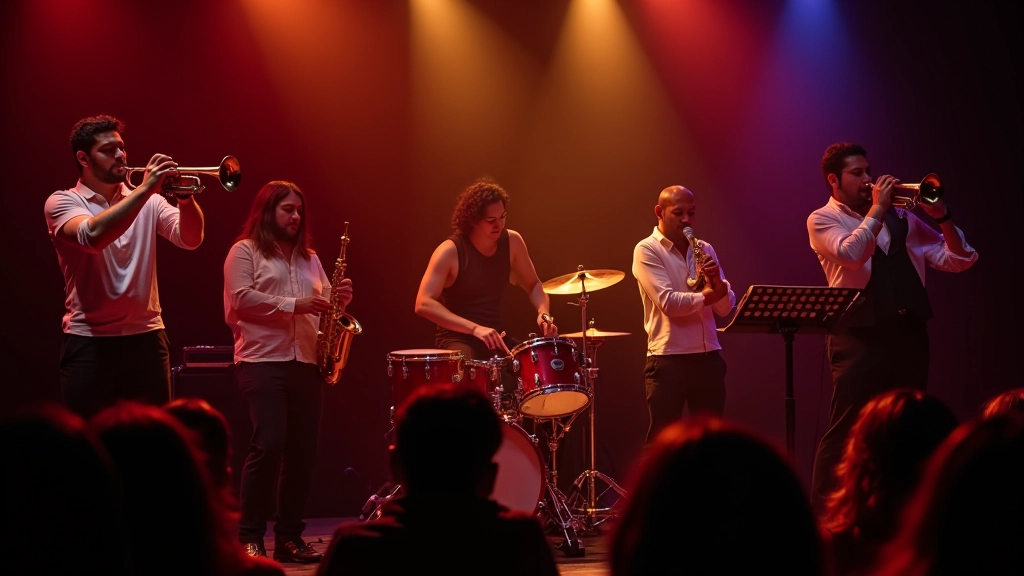
At our fiesta events with live music, you'll see dancers of all levels dancing together. The beginners dancing next to people who've been dancing for years. And it works because everyone follows these same principles. Everyone's looking out for everyone else.
"I was terrified before my first social. But I realized quickly that nobody cared if I messed up. They just wanted to dance and have a good time. That changed everything for me." — Maria, 58
Ready for the Dance Floor?
You don't need to memorize these rules. You don't need to be perfect. What matters is showing up with an open mind and respect for the people around you. The rest comes naturally.
Start with one simple thing: next time you're at a social, really watch how experienced dancers move. Notice how they're aware of others. How they smile. How they create space. Then just do that. Follow the flow. Be kind. Dance with joy.
Our weekend workshops in Switzerland include real social dancing with other adults aged 45+. You'll practice these principles in a supportive environment where everyone's learning together.
Explore Our WorkshopsAbout This Guide
This article provides general guidance on social dance floor etiquette based on common practices in Latin dance communities. Every dance venue and community may have slightly different norms. We recommend asking experienced dancers at your specific venue for their particular guidelines. Dancing involves physical activity — consult with your doctor if you have any health concerns before participating in dance activities.
Related Articles