What to Expect at Weekend Fiesta Events With Live Music
Our community fiestas feature live bands and create the perfect low-pressure environment to practice what you've learned in class.
Why Fiestas Matter for Your Dancing Journey
There's something special about moving to live music. It's different from the recorded tracks we use in class — the energy, the timing shifts, the musicians reading the crowd. That's where fiestas come in.
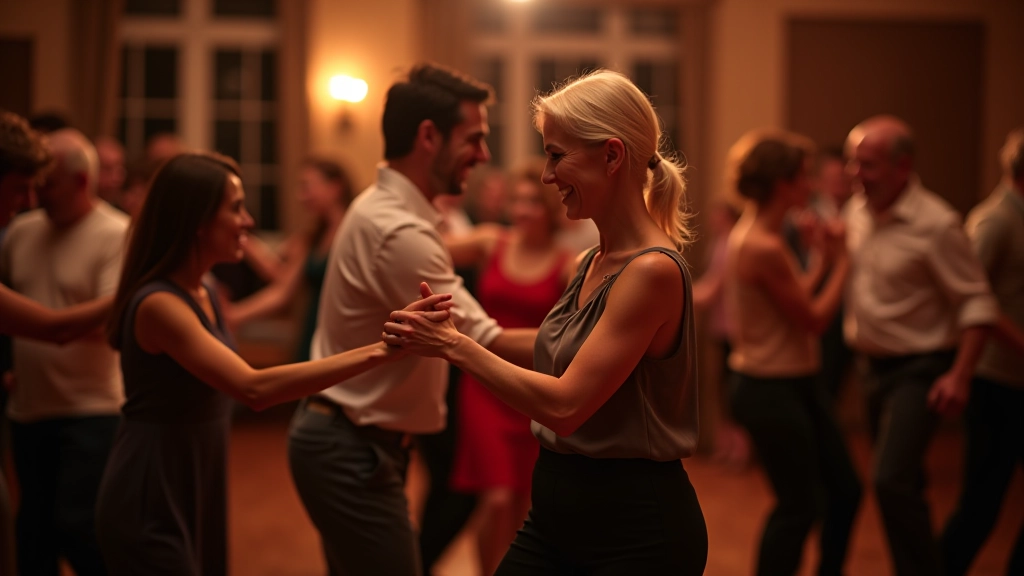
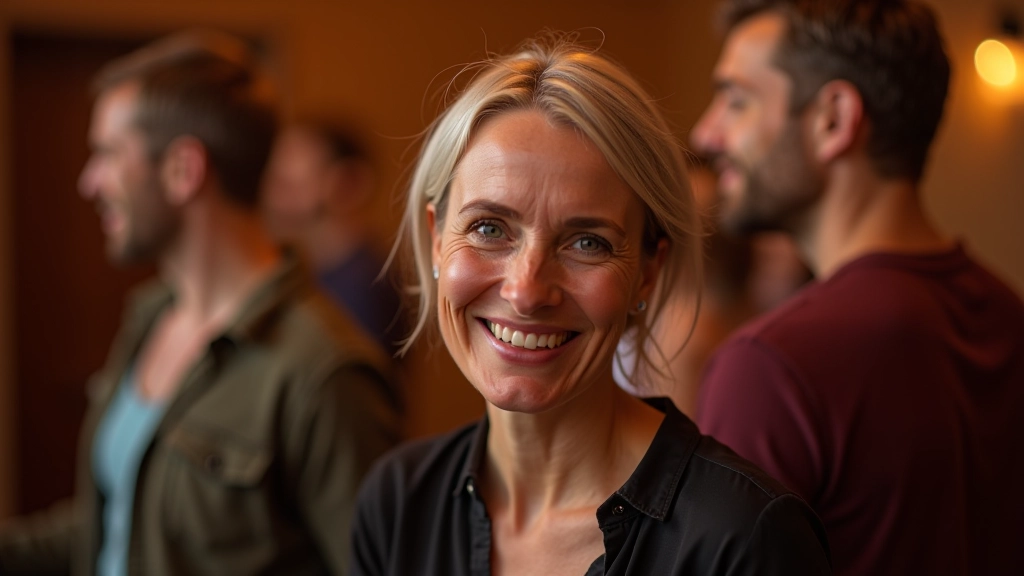
We host these events specifically for our community. You're not walking into a crowded nightclub where everyone's been dancing for years. You're joining people just like you — people in their 50s, 60s, and beyond who are learning alongside each other. The atmosphere? Welcoming. Supportive. Real.
These aren't performances. They're practice sessions disguised as parties. And honestly, that's exactly what makes them work so well.
How a Typical Fiesta Flows
Understanding the rhythm of the evening helps you feel more prepared and confident when you arrive.
01
Arrival & Settling In (6:30–7:00 PM)
People arrive gradually. There's no rush. You'll find refreshments available — water, juice, maybe some light snacks. Most folks chat and warm up gently. The band's doing a soundcheck, and you can feel the anticipation building. It's relaxed, comfortable. No pressure to start dancing immediately.
02
Opening Set & Warm-Up (7:00–7:45 PM)
The band starts with familiar rhythms. Bachata usually opens things — slower, easier to follow. You'll see people pairing up, finding their rhythm. This is where you shake off any nerves. The live sound carries energy that recordings just can't match.
03
Mixed Dancing & Exploration (7:45–9:15 PM)
The band mixes it up now. Salsa, merengue, bachata — variety keeps everyone engaged. Some songs are faster, some slower. You'll dance some, sit some, chat some. There's no expectation to dance every single song. You're building stamina, not sprinting.
04
Wind-Down & Reflection (9:15–10:00 PM)
The energy naturally softens. Slower songs come back. People hug, exchange phone numbers, make plans for next week's class. You leave feeling accomplished, energized, and connected to your community.
What Actually Happens on the Dance Floor
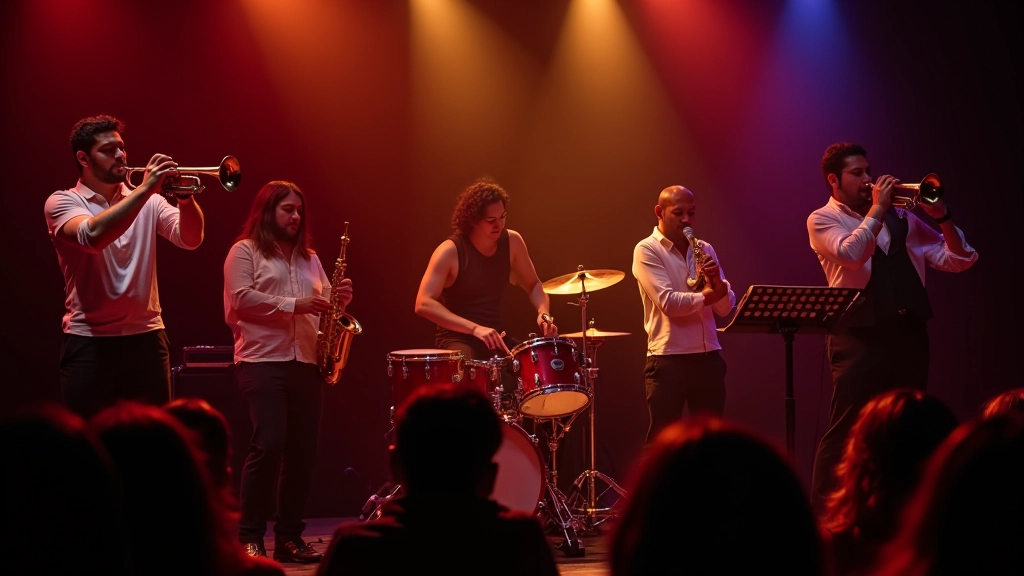
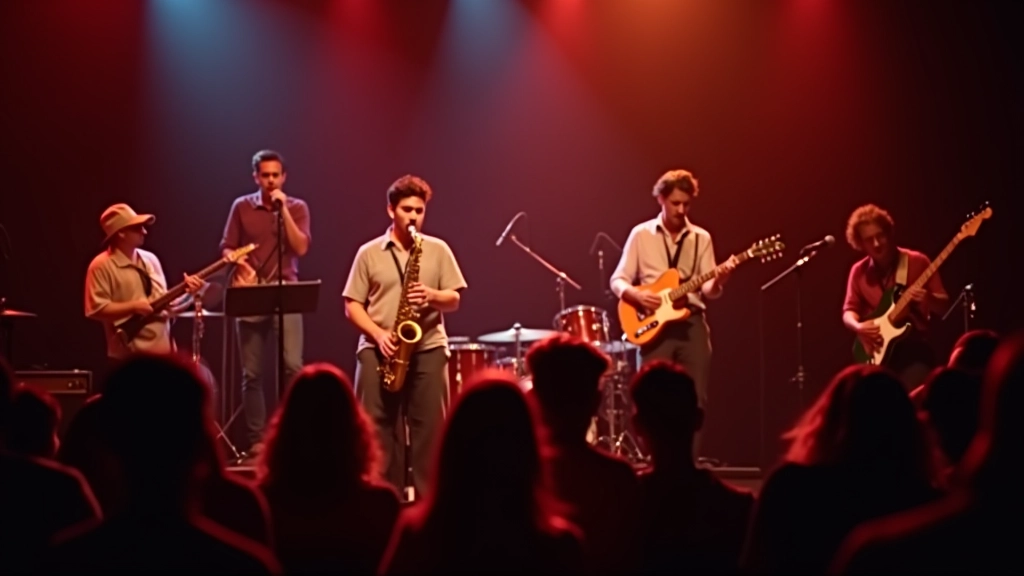
The live band changes everything. Recorded music is perfect — exactly the same every time. Live music breathes. Musicians respond to the room's energy. The trumpeter might extend a note. The drummer might speed up slightly. The piano player watches how people move and adjusts.
This teaches you something crucial: dancing isn't about hitting exact beats. It's about feeling the music and responding. You'll notice musicians make eye contact with dancers. That connection? It's real. And you'll feel it.
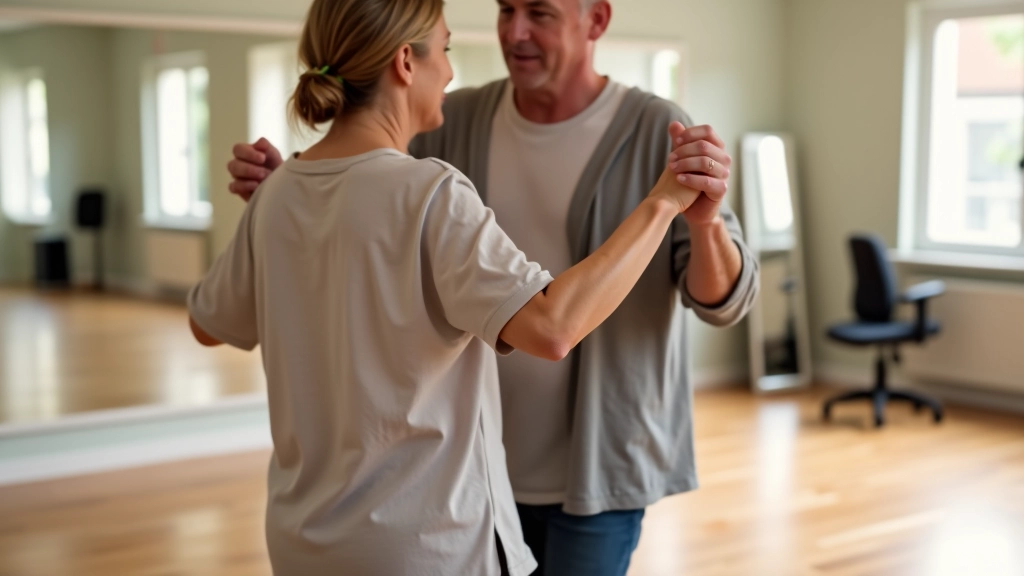
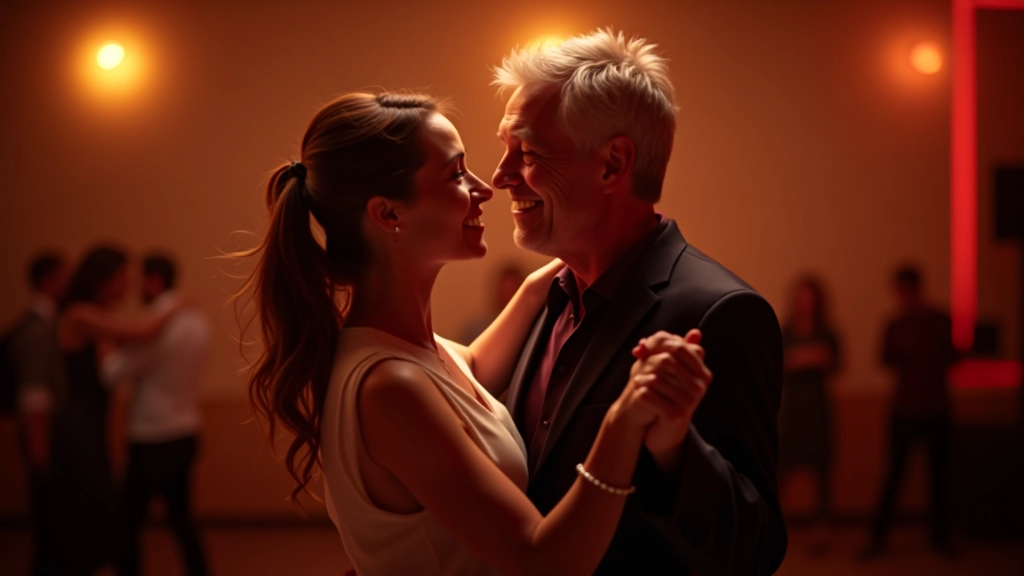
Partners vary too. You're not locked into one person for the whole night. People rotate. You might dance with someone who's been coming for months, then someone who just arrived. Everyone's at different levels, and honestly, that's the point. You're all learning together. There's no judgment because everyone's focused on their own progress.
Real Talk: You'll probably make mistakes. Your timing might be off. You might forget the steps. And literally nobody cares. Everyone's too busy enjoying themselves.
Practical Tips for Your First Fiesta
A few simple things make the whole experience better.
Wear Comfortable Shoes
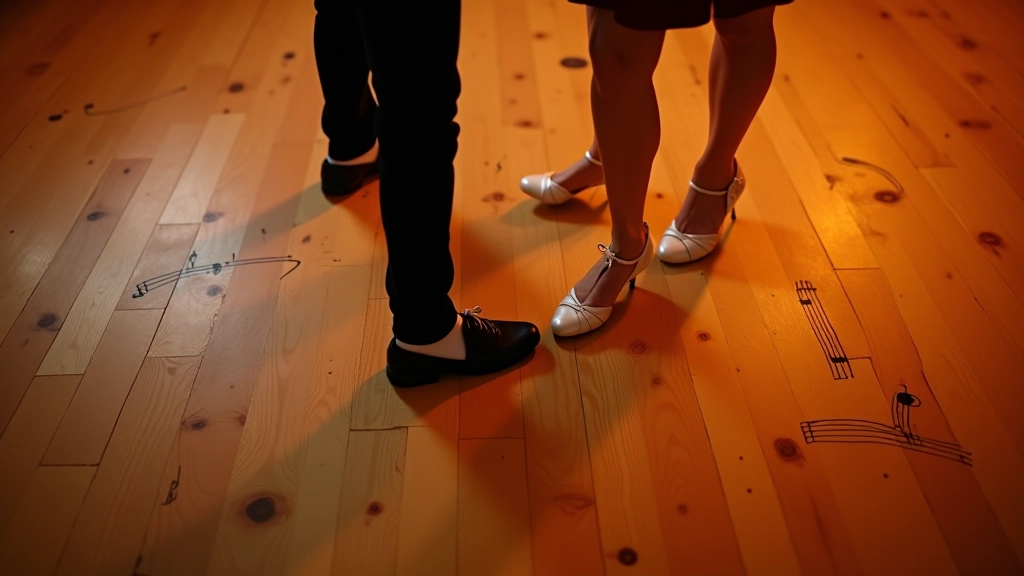
You'll be on your feet for 3+ hours. Bring dance shoes or smooth-soled shoes. Sneakers work too. Just avoid anything with gripping soles that'll stick to the floor.
Bring Water & Dress in Layers
You'll warm up quickly once you start moving. Bring a water bottle. Wear something you can remove — a light jacket or cardigan. You're not showing off here. You're dancing comfortably.
Introduce Yourself
When you meet someone, say your name. Ask them how long they've been dancing. Most people are genuinely friendly and excited to help newcomers feel welcome.
Expect Real Volume
Live music is louder than you might expect. That's actually great — it pulls you into the rhythm. If you're sensitive to noise, you can step outside for breaks. The energy will still be there when you return.
It's Okay to Sit Out
You don't have to dance every song. Sitting down to watch, chat, and rest is completely normal. You're building endurance, not proving anything.
Don't Overthink the Steps
You've practiced in class. Your body knows more than your mind thinks it does. In the moment, just move. Feel the beat. The steps will come naturally.
The Social Connection Is the Real Magic
People often ask what they should expect from a fiesta. They're thinking about steps, choreography, technical things. But what really matters? The people.
You'll recognize faces from class. That quiet woman in the corner? She's been coming for six months and can lead beautifully now. That man who was nervous his first night? He's helping newcomers find their rhythm. These aren't strangers — they're becoming your dance family.
Conversations happen naturally. Someone mentions they're struggling with spins. Three people gather around to talk about technique. Someone celebrates their first night dancing. Everyone cheers. It's genuine community, not forced networking.
Many dancers keep in touch between events. WhatsApp groups form. People carpool. They grab coffee before class. The dancing brought them together, but the friendship is what keeps them coming back.
Your First Fiesta Awaits
You've learned the basics in class. You've practiced the steps. A fiesta is where everything clicks — where the rhythm becomes real, where dancing stops being lessons and starts being joy.
Come as you are. Dance when you feel ready. Sit when you need a break. Talk to people. Smile. Feel the live music move through your body. That's what we're all here for.
The community is waiting. And they're genuinely excited to dance with you.
Explore Our Workshop ProgramsDisclaimer
This article provides educational information about our community fiesta events and what to expect when attending. While we design our fiestas to be welcoming and accessible for all levels, individual experiences may vary. Everyone progresses at their own pace, and there's no "right" way to enjoy our events. If you have any physical concerns or limitations, please discuss them with our instructors before your first fiesta so we can ensure you have the best possible experience.
Related Articles