First Steps: Basic Salsa Footwork for Beginners
Master the fundamental steps that form the foundation of salsa dancing. You'll learn the timing, weight shifts, and simple patterns that'll have you moving confidently on the dance floor.
Why Footwork Matters
Salsa isn't about complicated moves — it's about solid foundations. Get your footwork right and everything else flows naturally. The basic step is deceptively simple. It's just a forward-back pattern with a weight shift. But here's the thing: you'll see dancers who've been at it for years still perfecting this exact move because it's the DNA of everything else.
In this guide, we're breaking down exactly what your feet need to do, how your weight moves, and why timing matters more than you'd think. You'll also understand the rhythm underneath it all — that infectious beat that makes salsa so irresistible.

Understanding the Beat
Salsa music has a very specific structure. It's built on an 8-count pattern, and you'll move for 6 of those 8 beats. The last 2 beats are basically your reset — you're getting ready to start again. This is called the "clave" rhythm, and it's what gives salsa its signature feel.
Most beginners count: 1, 2, 3... pause... 5, 6, 7... pause. That pause on beat 4 and beat 8 is crucial. It's not that you're stopping — you're preparing weight for the next movement. Think of it like the breath between sentences. Without it, everything feels rushed.
The Count
Beats 1-2-3, pause on 4. Then 5-6-7, pause on 8. This pattern repeats for every song. Once your body knows this, your feet follow automatically.
The Basic Step Breakdown
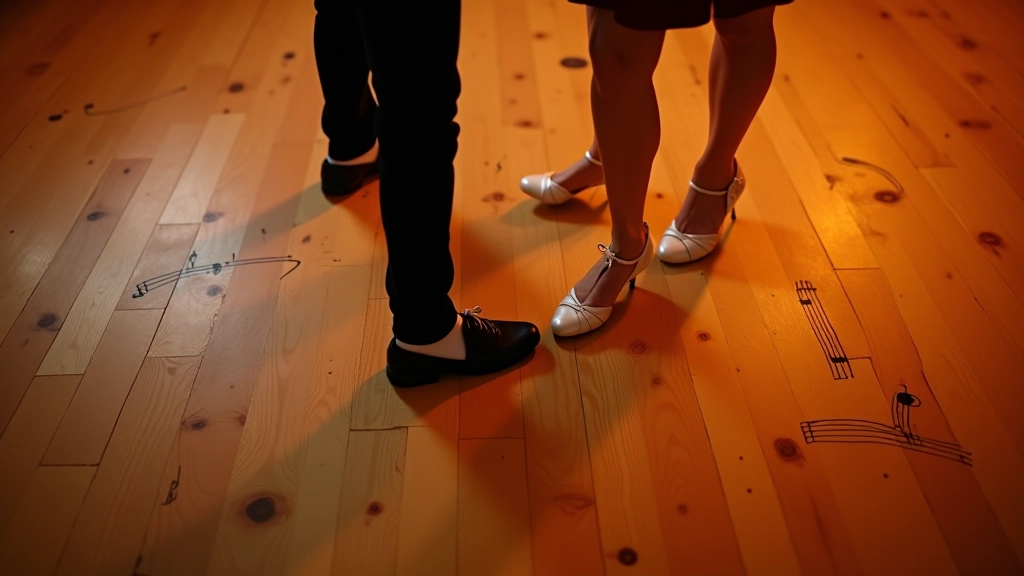
Let's talk about what your feet actually do. We're calling this the "forward-back" pattern because that's exactly what happens. You're not doing anything fancy here. Simple weight shifts, clear direction, consistent timing.
01
Beat 1 — Forward
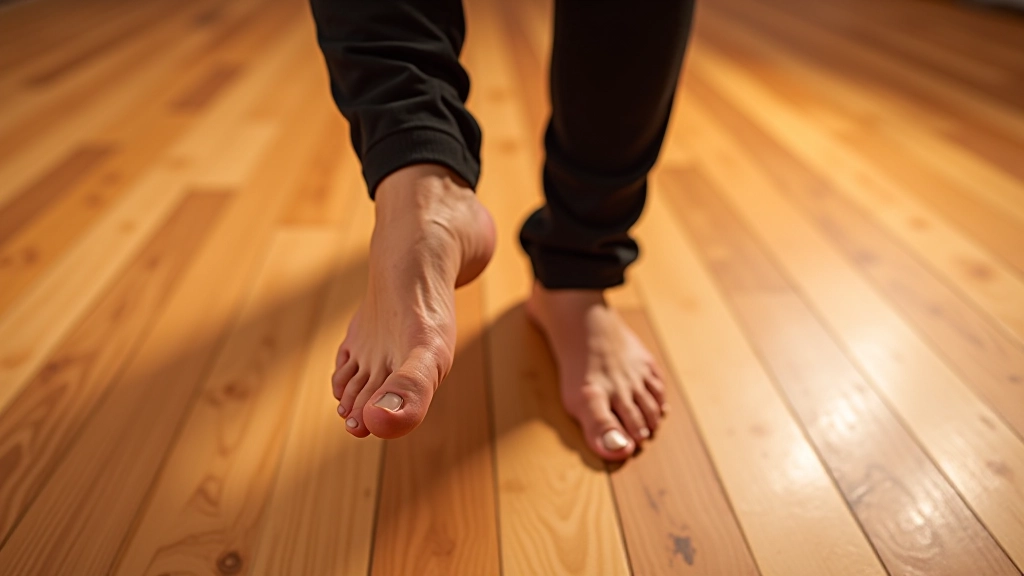
Your left foot steps forward. You're transferring your weight from your back foot to this new position. It's not a huge step — just about one foot's length forward. Keep your knees slightly bent.
02
Beat 2 — In Place
Your right foot steps in place, right where it started. You're completing the weight shift. Nothing moves except your foot position — your upper body stays relaxed and upright.
03
Beat 3 — Rock Back
Left foot rocks back to center. You're shifting weight again. This is a smaller movement, almost like you're pushing off from the forward position back to neutral.
Beats 5, 6, 7
Okay, beats 4 and 8 are your pauses. Now for beats 5, 6, and 7 — this is literally the same pattern in reverse. You're stepping back with your right foot on beat 5, bringing your left foot to center on beat 6, and rocking forward on beat 7. Then beat 8 comes and you reset.
That's it. That's the entire basic step. Forward-back-rock, back-forward-rock. Once you've got this down — and it usually takes about 2-3 weeks of regular practice — everything else builds from here. Turns, spins, partner patterns — they're all variations on this foundation.
Pro Tip
Don't overthink the forward-back distance. Most beginners take steps that are way too big. Keep them small and controlled. Your partner will appreciate it, and you'll have better balance.
Weight Shifts: The Secret Sauce
Here's what separates beginners from dancers who actually know what they're doing: proper weight shifts. This isn't complicated. It's about being present in each movement. When you step forward on beat 1, your weight actually transfers to that forward foot. You're not keeping weight balanced between both feet.
This matters because it creates flow. It's the difference between stepping and dancing. A weight shift creates momentum. It makes the next step happen naturally instead of you having to think about it. Your body knows where to go next because gravity and momentum are already working with you, not against you.
- Step first, then shift weight — not simultaneously
- Keep hips relaxed and let them follow your feet naturally
- Your torso stays upright — movement comes from the waist down
- Practice in front of a mirror to see weight shifts happening
How to Practice
Knowing the steps and being able to do them smoothly are two different things. Here's a realistic practice approach.
Slow Music First
Don't start with normal-speed salsa music. Find slow versions or use practice tracks around 90-100 BPM. This gives your brain time to process what your feet are doing.
Repetition Matters
You're not looking for perfection on day one. Three 15-minute sessions per week beats one long session. Your body needs time to remember patterns between practice.
Mirror Practice
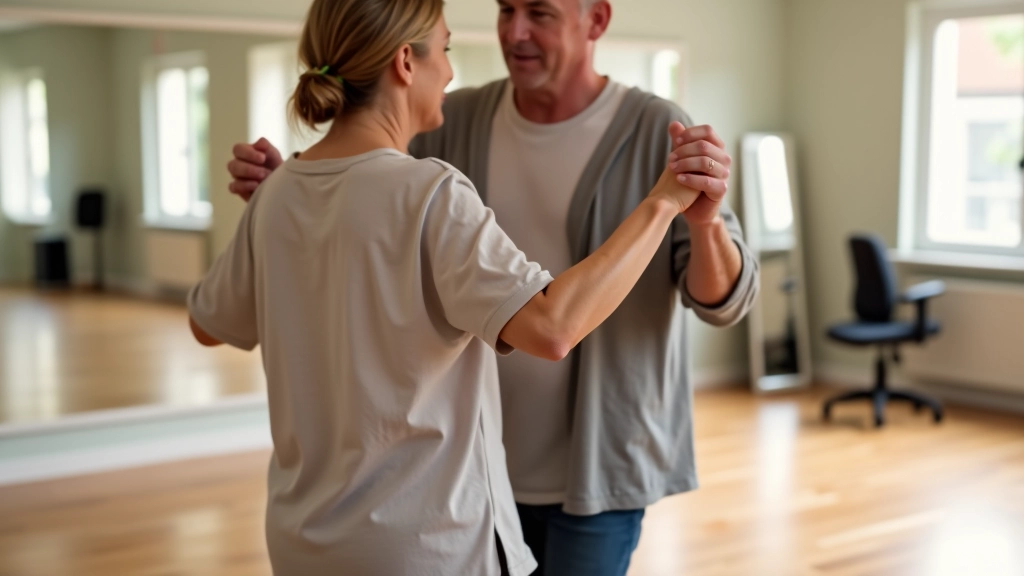
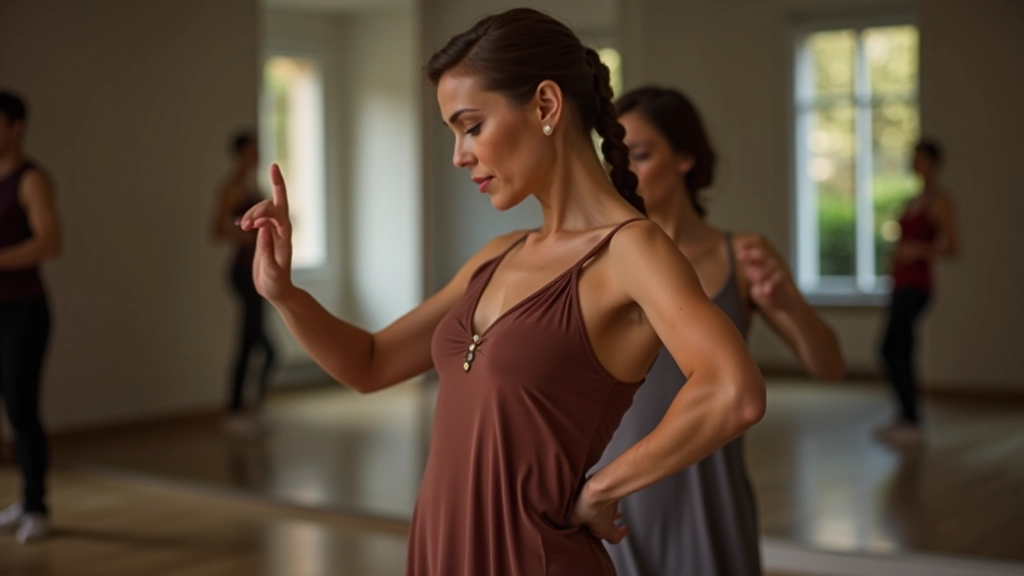
Practice in front of a mirror. Seriously. You'll spot timing issues and uneven weight shifts immediately. Most studios have mirrors — use them.
Dance With Others
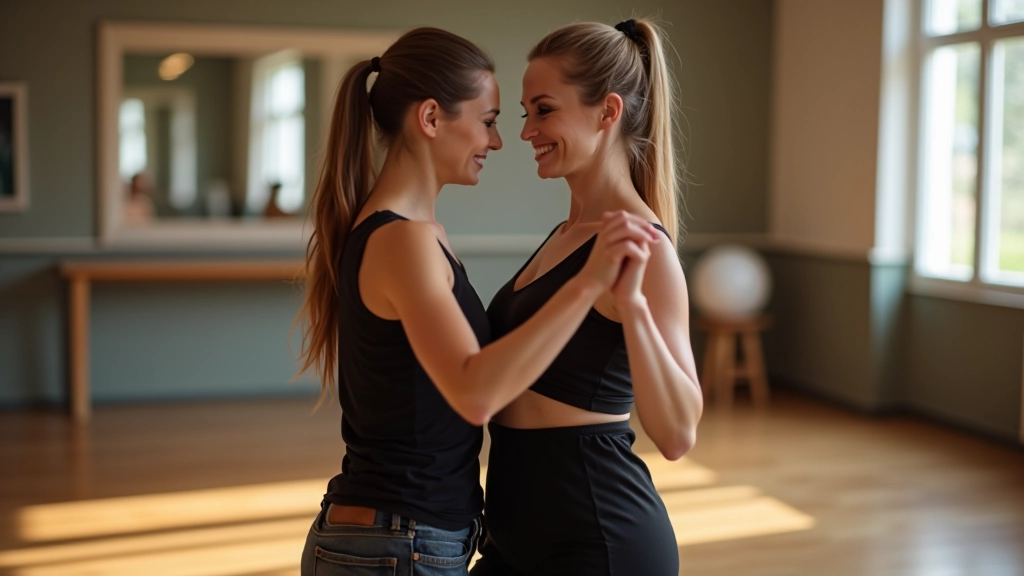
Solo practice teaches you the mechanics. Dancing with a partner teaches you feel and connection. Get to our beginner classes where you'll practice with others at the same level.
Common Beginner Mistakes
1. Steps Too Large
The most common mistake. Beginners think bigger steps equal better dancing. Wrong. Smaller, controlled steps give you balance, stability, and actually look more polished. Your partner also won't feel thrown around.
2. Counting Out Loud
We all start here. But eventually you need to internalize the count. Keep counting in your head, but don't rely on it forever. The music will guide you naturally once your body learns the pattern.
3. Stiff Upper Body
Your hips move, your feet move, but your shoulders stay rigid. This isn't natural. Let your hips move in response to your footwork. Your shoulders and arms will follow. Relax. Salsa is supposed to feel good.
Important Note
This guide is informational and meant to help you understand basic salsa footwork. Individual results vary based on practice frequency, physical condition, and prior dance experience. If you have any physical limitations or concerns, consult with a healthcare provider before starting a new physical activity. Our instructors are trained to modify movements for different abilities and will work with you during classes to ensure you're comfortable and safe.
Continue Learning